
Take the first steps toward paradise
Our Paradise™ Care Coordinators are here to help you along the way.
Find out if you’re a candidate
- You’ve been diagnosed with hypertension by a doctor.
- You still have high blood pressure after trying multiple lifestyle changes and blood pressure medications.
You can take this short quiz to find out if the ParadiseTM procedure could help lower your blood pressure.

Connect with your Paradise Care Coordinator
After you take the short quiz, your Paradise Care Coordinator will reach out to answer your questions, help you find a doctor in your area, and help schedule your consultation.
Your Paradise Care Coordinator is a real person dedicated to you who will help guide you throughout the process to get the Paradise procedure.

Attend your Paradise procedure consultation with a doctor
You and your doctor will discuss your hypertension history and previous treatments. You may need other testing and verification of insurance coverage benefits. Your consultation is your time to ask your doctor any questions you may have before deciding if the Paradise procedure is right for you.

Get the Paradise procedure
The Paradise procedure is relatively quick, typically outpatient, and minimally invasive. The average overall procedure time is about an hour, which includes preparation time.1

1. Incision
The typical standard of care for getting the Paradise procedure requires only one small incision near your groin (typically less than 3mm or 1/8 inch).
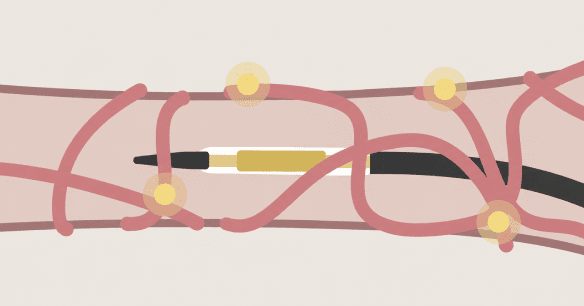
2. Placement
Under sedation, a small flexible tube (Paradise® catheter) is guided into the blood vessels near your kidneys.
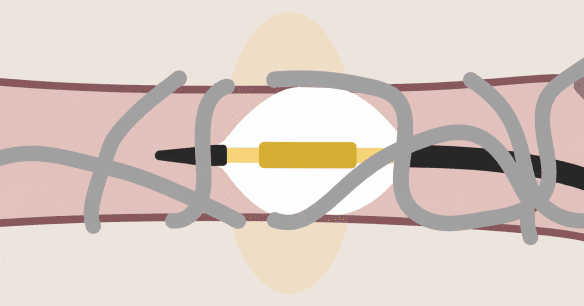
3. Treatment
Your doctor will use the Paradise® system to deliver a treatment that calms the overactive nerves near both of your kidneys.

4. Recovery
Most people usually go home the same day. Most people are able to return to their usual daily activities within a few days after the procedure.1
Follow up with your doctor
The Paradise procedure works with your lifestyle changes and medications to help you meaningfully lower your blood pressure and achieve your blood pressure goal more effectively.2-4
After the Paradise procedure, your doctor will continue to monitor your hypertension and will provide guidance on if you can change your blood pressure medications.

Your Paradise Care Coordinator is here to guide you
Paradise Care Coordinators are a resource provided by the company Recor Medical who created this treatment option to make sure you get the support you need.
Paradise Care Coordinators can support you by sharing educational information, answering your questions about the Paradise procedure, and helping you find a doctor in your area. For specific medical questions, please direct those questions to your doctor at your consultation.


Learn about cost and insurance coverage
The Paradise procedure is covered by Medicare nationwide for people who qualify.5
Learn MoreFrequently asked questions
You will need to schedule a consultation with a doctor who has been trained on and is experienced with the Paradise procedure. These doctors are typically interventional cardiologists, interventional radiologists, or vascular surgeons.
After you take the short quiz, your Paradise™ Care Coordinator can help you find a doctor in your area.
The Paradise procedure has been thoroughly studied, tested, and proven safe and effective across several robust large scale randomized clinical trials.2-4
While the Paradise procedure has been proven to be safe and effective, just like with any medical procedure, there are risks and benefits associated with getting the Paradise procedure. At your consultation, your doctor will review all benefits, risks, and safety information with you.
For full safety details, please see Important Safety Information.
The Paradise procedure is designed to be a one-time procedure. In both of our 3-year follow-up studies, people maintained significantly lower blood pressure compared to before they got the Paradise procedure.6-7
The Paradise procedure can help deliver longer-term results.*8
We’re continuing to follow even longer-term outcomes with our ongoing post-market follow-up studies.
*In combination with medication therapy
The Paradise procedure is relatively quick. The average overall procedure time is about an hour, which includes preparation time.1
The typical standard of care for getting the Paradise™ procedure requires only one small incision near your groin (less than 3mm or 1/8 inch) and doesn’t involve any stitches – usually only a bandage is needed after.
The Paradise procedure is typically outpatient.
Your care team at the hospital will provide more information about how long you can expect to stay after your procedure.
Your doctor will typically give you pain medication and moderate sedation to keep you comfortable. You may experience mild, short, and temporary pain or discomfort during or after the procedure. To help you feel comfortable as you recover, your care team may give you pain medication.
Usually a few days after the procedure, most people don’t experience any procedural pain or discomfort. Before your procedure, your hospital care team will talk with you about your specific pain management and sedation plan.
To keep you comfortable during the Paradise procedure, typically your doctor will use a moderate sedation method like twilight sedation.
Each doctor manages sedation or anesthesia differently in their practice and before your procedure, your care team at the hospital will talk with you about your specific sedation plan.
No, the Paradise procedure is not an implant. Once the Paradise catheter (a small flexible tube) delivers the treatment, it is removed without leaving anything inside the body.
Getting started is easy
Answer a few questions to see if the Paradise procedure could be right for you. If you qualify, our Paradise Care Coordinators can answer your questions, help you find a doctor in your area, and provide support throughout the process.
1 of 6:
Have you been diagnosed by a doctor with hypertension?
We’ve saved your progress! Jump back in?
Thank you for your responses!
Based on your answers, it looks like the Paradise blood pressure procedure may not be the right treatment for you at this time. This treatment option is for people who have been diagnosed with hypertension by a doctor.
If you are concerned about your blood pressure, please schedule an appointment with your primary care doctor to discuss your concerns and blood pressure management options.